
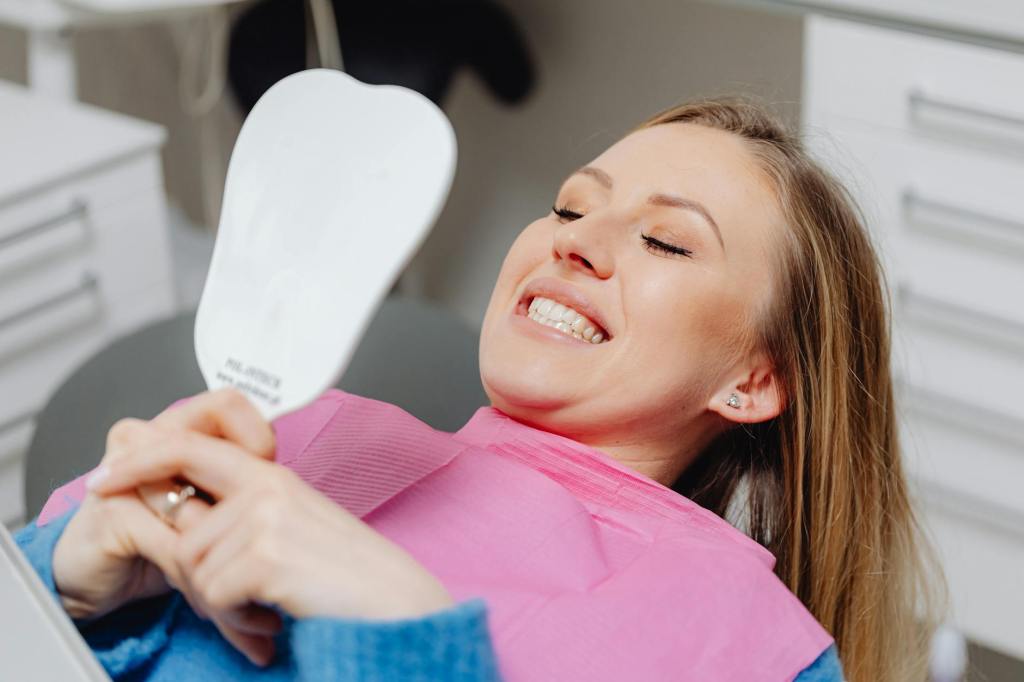
Many people come in for a dental check and are surprised to hear this:
“Your teeth show signs of grinding.”
The common response?
“I don’t grind my teeth.”
And they’re right, at least not consciously.
The Hidden Habit: Bruxism
Bruxism is the clenching or grinding of teeth, often happening during sleep. Because it occurs unconsciously, most people only discover it after the damage has already started.
Over time, this habit can:
- Wear down enamel
- Cause tooth sensitivity or fractures
- Lead to jaw pain or tightness
- Trigger headaches, especially in the morning
But here’s what many don’t realize:
Bruxism isn’t just a dental issue, it’s often a stress and sleep issue.
The Stress–Sleep Connection
Your body doesn’t separate mental stress from physical response. When stress builds up, your nervous system stays on high alert, even while you sleep.
This can show up as:
- Clenching your jaw at night
- Restless or fragmented sleep
- Frequent waking (even if you don’t remember it)
In some cases, bruxism is also linked to sleep-disordered breathing, where the body subtly struggles to maintain airflow during sleep. The jaw may tighten as a protective response to keep the airway open.
So what looks like a “tooth problem” can actually be a sign your body isn’t fully at rest.
Why It Matters
Teeth are strong but they’re not designed to withstand constant grinding forces night after night.
Ignoring bruxism can lead to:
- Progressive tooth wear
- Costly dental repairs
- Chronic jaw issues (TMJ dysfunction)
- Ongoing poor sleep quality
And if the root cause, stress or disrupted sleep, is not addressed, the cycle continues.
What You Can Do
If you’ve been told you grind your teeth, or you notice symptoms like jaw tightness or worn edges on your teeth, it’s worth looking deeper.
Start here:
- Observe your sleep: Do you wake up tired, even after a full night?
- Notice tension patterns: Is your jaw tight during the day?
- Manage stress actively: Not just mentally, but physically (breathing, relaxation, body awareness)
- Seek proper guidance: A dental guard can protect your teeth, but understanding why you grind is just as important
A Different Way to Look at It
Instead of asking,
“How do I stop grinding my teeth?”
Try asking,
“What is my body trying to tell me?”
Because sometimes, worn teeth are not just about your bite.
They’re about your nervous system, your breathing, and your sleep.
I’m currently building a small, focused space for people serious about improving their sleep. If you want early access message SLEEP here and receive a Sleep Roadmap to help you understand what your body might be asking for.
 TheOptionsPh