
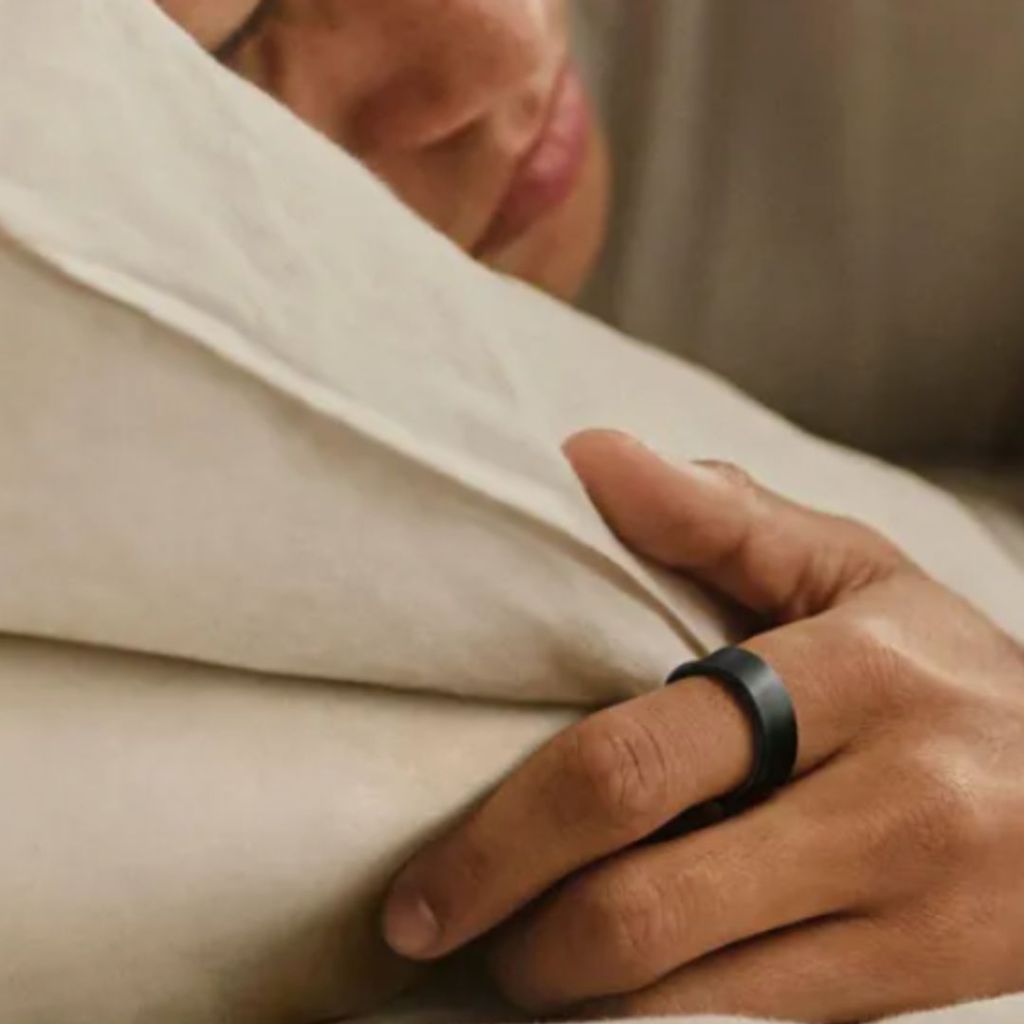
Wearable Sleep Tracker Guidelines
- Use with Caution:
Wearables (like smartwatches and rings) are helpful for tracking general sleep patterns, but they’re not as accurate as clinical sleep tests. - Not a Diagnosis Tool:
Don’t rely on wearables alone to diagnose sleep problems—see a doctor if you have sleep issues. - Avoid Obsession:
Focusing too much on sleep scores can cause anxiety (called orthosomnia), which can actually make sleep worse. - Clear Guidelines for Everyone:
- Consumers: Use wearables to support good sleep habits.
- Doctors: Use wearable data only as a supplement.
- Researchers: Help improve how these tools are validated.
- Manufacturers: Be transparent and work with sleep experts.
- Goal:
Make sleep data more consistent and useful for health and research.
🔹 Official Publication
- World Sleep Society Recommendations for the Use of Wearable Consumer Health Trackers That Monitor Sleep
- Journal Sleep Medicine
- Publication Date:April 2025
- https://doi.org/10.1016/j.sleep.2025.106506
- Access:Available via [ScienceDirect](https://www.sciencedirect.com/science/article/abs/pii/S138994572500173X
- peer-reviewed article
🔹 Press Release Summary
- Title World Sleep Society Publishes Landmark Recommendations on Wearable Consumer Health Trackers for Sleep
- Read the full press release
 TheOptionsPh